How Thread Throttling Avoids Server Crashes During Peaks

The Advancement of Automated Link Structure in 2026
The digital environment of 2026 has become progressively hostile towards automated seo tools. Platforms that when permitted for quick link generation now use advanced behavioral analysis and IP filtering. For those running GSA Search Engine Ranker (SER), the difficulty is no longer simply about the software application itself but the facilities supporting it. The shift towards high-speed proxy networks has actually ended up being a need for anybody aiming to preserve a footprint in the search engine result. In 2026, the speed at which a tool can interact with a target server figures out whether a link is successfully positioned or if the request is discarded as spam.
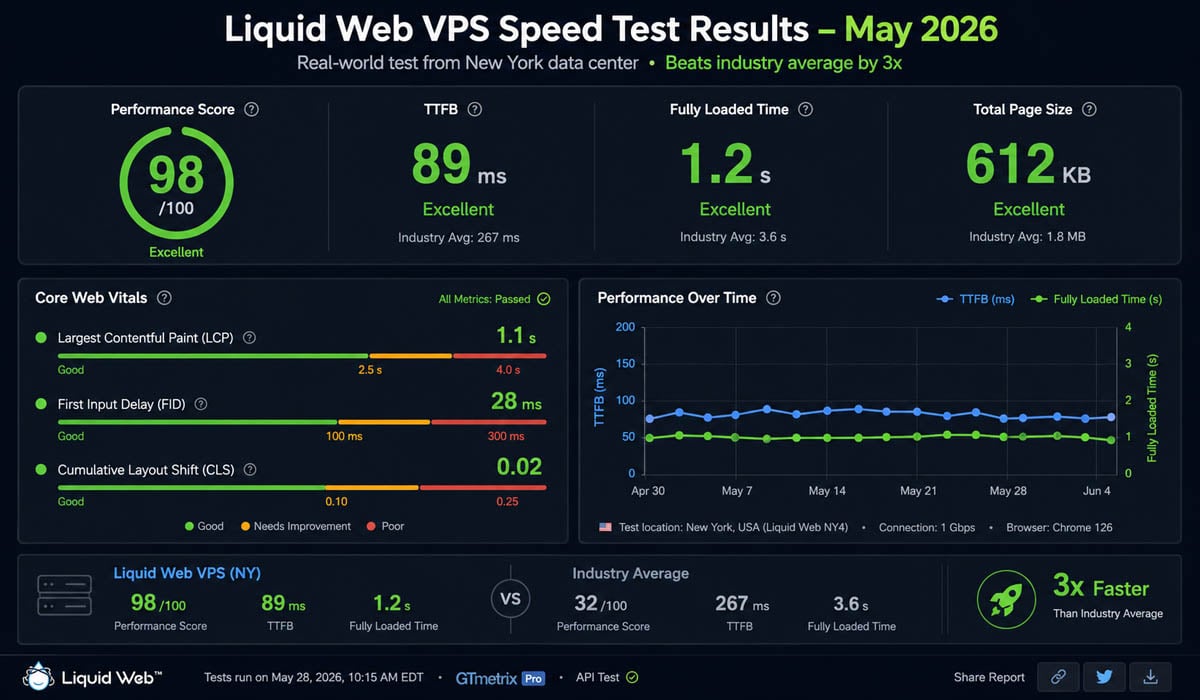
High-speed networks provide the bandwidth required to handle the huge multi-threading capabilities of modern-day SEO software application. Without a dedicated connection, GSA SER often stalls, leading to dropped connections and squandered resources. Specialists in the local market have observed that latency-- the hold-up between a command and the server's reaction-- is the primary consider project failure. When a proxy is sluggish, the target site has more time to run security scripts that determine the incoming request as a bot. Minimizing this window of time is the core objective of contemporary proxy setups.
The existing need for Wikipedia Server Tech has actually forced lots of to reconsider their facilities. It is no longer enough to buy a list of shared proxies and hope for the best. The filtering algorithms used by major search engines in 2026 are too advanced for such basic strategies. Rather, effective operators are turning to devoted resources that offer clean, high-reputation IP addresses. These IPs are frequently sourced from property blocks or specialized information centers that mimic human traffic patterns, making it much harder for automated defenses to flag the activity.
Maximizing GSA SER Efficiency with Dedicated Resources
GSA SER stays a powerful tool in 2026 since of its versatility. However, that flexibility can lead to poor efficiency if the settings are not tuned to the underlying proxy network. Thread count is a crucial variable. While it might be tempting to set the software application to 500 or 1,000 threads, the actual limitation is frequently the proxy service provider's throughput. If the network can not handle the synchronised demands, the software application will report a high rate of "connection stopped working" mistakes. This not only decreases the job however also risks burning through a proxy list as the software application cycles through dead or unresponsive IPs.
Optimization starts with matching thread counts to the number of active proxies. A common ratio utilized in 2026 is one thread per devoted IP, or approximately five threads if the proxy network has extremely low latency. This guarantees that no single IP is overwhelmed with demands, which is a major red flag for anti-spam systems. By spreading the load, the automated tool appears more like a collection of individual users instead of a single maker hammering a server. This subtle difference is often what separates an effective SEO campaign from one that gets blacklisted within hours.
Another aspect is the timeout setting within GSA SER. In 2026, numerous websites utilize "lazy loading" or slow-response traps to capture bots. Setting a timeout that is too brief will lead to the software application quiting on legitimate targets, while a timeout that is too long will bind threads on dead ends. High-speed proxies enable tighter timeout windows-- typically between 15 and 30 seconds-- because the connection itself is stable. This effectiveness allows the software to procedure thousands more URLs per hour than a setup depending on slower, unsteady networks.
The Function of Private Proxy Pools in 2026
Personal proxy pools have replaced the general public lists of the past. These pools are managed by suppliers who rotate IPs based upon specific triggers, such as a set variety of requests or a time period. In the context of GSA SER, this rotation is important for bypassing rate limits. Lots of sites in 2026 enable a particular variety of posts per hour from a single IP. When that limit is hit, any additional attempts are obstructed. A high-speed network with a big pool of turning IPs can switch out a flagged address immediately, allowing the link-building process to continue without disturbance.
When selecting a provider for Wikipedia Server Tech, the focus must be on the diversity of the IP variety. If all proxies originate from the exact same subnet, a search engine can quickly obstruct the whole variety. Providers in the surrounding region now offer "subnet diversity" as a basic feature. This includes pulling IPs from different geographical places and different company. This level of obfuscation is needed to trick the sophisticated AI-driven security layers that many websites have actually implemented by 2026.
Moreover, the physical location of the proxy server relative to the VPS running GSA SER matters. In 2026, the speed of light is the only bottleneck left. If your software application is operating on a server in New York however your proxies are in Singapore, the added latency will deteriorate efficiency. Top-tier operators co-locate their automated tools in the exact same data centers or areas as their proxy companies to achieve sub-10ms response times. This technical detail is a hallmark of professional-grade operations.
Attending To Security and Detection Challenges
Browse engines in 2026 usage more than just IP addresses to spot automation. They look at internet browser finger prints, HTTP headers, and even the "TCP stack" of the incoming connection. High-speed proxies frequently include functions that mask these footprints. By customizing the headers to match those of a standard web browser like Chrome or Firefox, the proxy makes the GSA SER request appear like a manual entry. This is particularly essential for high-tier link targets like federal government or educational websites which have the most strict security protocols.

One of the most considerable modifications in 2026 is the prevalent adoption of IPv6. While IPv4 is still in use, lots of modern-day websites prioritize IPv6 traffic. High-speed proxy networks that support the IPv6 protocol use a huge benefit. The address space for IPv6 is so big that it is practically impossible for a site to obstruct every specific IP. This enables for a much more aggressive link-building strategy without the constant worry of being shut down. GSA SER has actually been updated to handle these protocols, however it needs the best network backbone to operate properly.
- Minimized footprint through IP rotation and header adjustment.
- Increased success rates by targeting IPv6-ready domains.
- Faster CAPTCHA solving due to lower latency between the tool and the solver service.
- Much better resource management on the VPS by lowering the variety of hung threads.
Security likewise involves securing the regional maker. Automated tools are typically targets for malicious websites that try to "phone home" or exploit the software application's connection. A premium proxy serves as a buffer, protecting the operator's real IP and area from these dangers. This layer of anonymity is a core component of digital safety for anybody involved in large-scale data entry or link generation.
The Technical Synergy of Hardware and Connectivity
The hardware running GSA SER must be as capable as the network. In 2026, many experts use NVMe-based servers with high-clock-speed CPUs. When the software application is processing thousands of links, it generates a huge amount of internal data and logs. If the drive can not stay up to date with the write requests, the entire system bottlenecks. This hardware-network synergy is what permits the 24/7 operation of complex projects. When the software application can compose to the disk as fast as the proxy can fetch the data, the performance of the campaign is made the most of.
Bandwidth use is another factor to consider. While numerous people think "speed" only refers to latency, the overall information throughput is likewise crucial. GSA SER downloads the HTML material of every page it visits. If you are running numerous threads, you are effectively downloading several gigabytes of data every hour. A high-speed network makes sure that this information flows smoothly without striking caps or being throttled by an ISP. In the local market, numerous service providers now offer unmetered bandwidth particularly for these types of high-volume jobs.
Managing these resources needs a proactive technique. Operators often utilize tracking tools to track the health of their proxy pool in real-time. If a specific set of IPs starts showing a higher-than-average failure rate, it can be switched out right away. This data-driven technique avoids the loss of valuable time and keeps the job moving on. In 2026, the difference between a amateur and an expert is typically the quality of the monitoring and the speed at which they can adjust to altering network conditions.
Strategic Implementation and Future Considerations
Looking toward the end of 2026, the integration of AI into proxy management is the next logical action. Some advanced service providers are already starting to offer "wise rotation" where the proxy network itself finds out which IPs work best for specific types of sites. This lowers the manual configuration required in GSA SER and allows the software application to focus on the content side of link building. As these technologies develop, the barrier to entry for high-level SEO will continue to rise, preferring those with the very best technical facilities.
The financial truth of 2026 is that low-cost proxies are a liability. The cost of a stopped working project-- determined in lost time, domain restrictions, and server costs-- far exceeds the cost savings of spending plan proxy lists. Purchasing a premium, high-speed network is an investment in the durability of the SEO strategy. By making sure that every request has the highest possible opportunity of success, the operator optimizes the return on their software application and hardware financial investments. This technique has become the requirement for anybody serious about automatic link structure in the existing year.
Efficiency in 2026 is not just about doing things quick but doing them properly the very first time. The synergy in between GSA SER and a devoted proxy network supplies the stability needed to browse the complex web of modern-day search algorithms. Whether it is dealing with the shift to IPv6 or managing the needs of high-thread counts, the network stays the backbone of the entire operation. As long as online search engine continue to utilize IP track record as a primary signal for trust, the role of high-speed, clean proxy networks will remain a defining consider the success of automated digital marketing.